δ-Decalactone · FEMA 2361
Cultivated.
Not synthesized, not stripped.
δ-Decalactone is the creamy, peachy note for food and fragrance. Today it is synthesized from oil, or stripped from a threatened tree. We grow it by fermentation, which does neither.
In development · sampling interest open
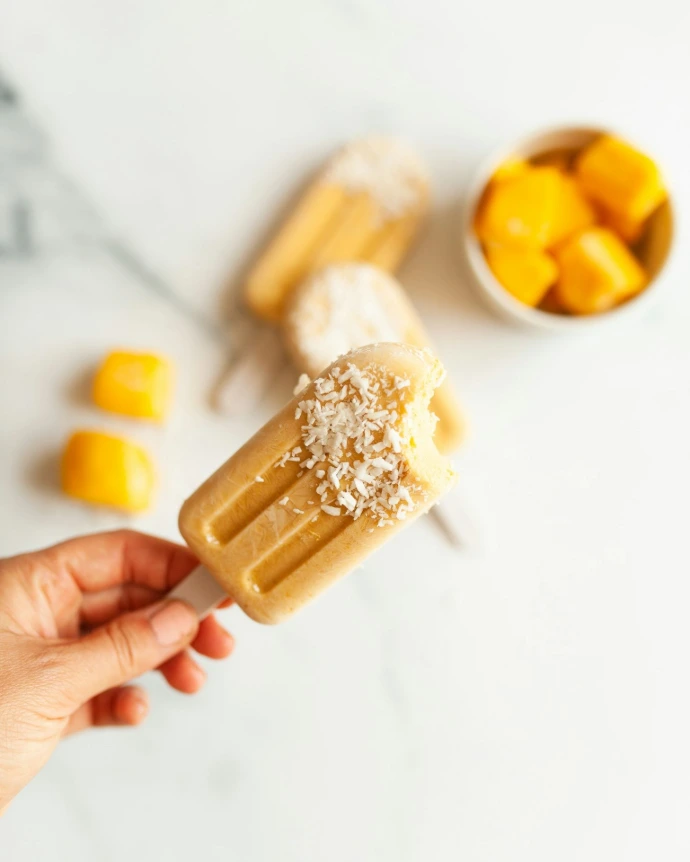
Food and fragrance
The rare note that works on both sides of the counter.
Most aroma molecules belong to one world or the other, but δ-decalactone moves easily between them, reading as ripe peach and warm dairy on the plate and as a creamy, fruity, long-lasting note on skin and in the air. That breadth is unusual for a single ingredient, and it means the same fermentation-grown molecule can serve a yoghurt brand and a fine-fragrance house from one supply chain.
On the plate
It gives butter, cream and caramel their depth, and sits behind peach and apricot as the creamy backbone of dairy and dessert.
In the bottle
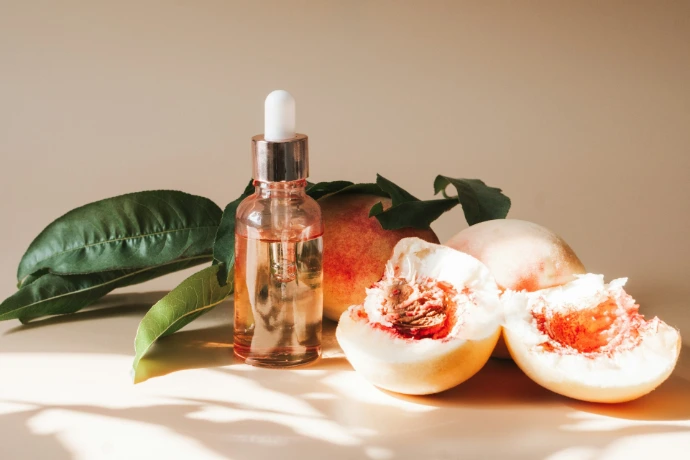
It builds creamy, fruity and gourmand accords, lends milky warmth to skin scents, and carries creamy depth through personal and home care.
The same molecule, four ways to make it
Every δ-decalactone is the same molecule. Only the origin is different.
There are four routes to this note, whether it ends up in food or fragrance, and most of them can legitimately be called natural. That is the catch, because natural only describes how the molecule was made, not where its carbon came from, and three of the four still begin with either a felled tree or a barrel of oil.
Three of the four still take from the tree, while ours is the only δ-decalactone growing the note from renewable feedstock instead. You get the same molecule on your label and the same performance whether it goes into flavour or fragrance, on a supply chain that never leans on a threatened forest.
What "natural" leaves out
A label tells your customer how it was made. It says nothing about the tree.
Massoia-derived δ-decalactone begins with bark whether or not it is later fermented, and while the note that results is both real and natural, the forest behind it is the part that never makes it onto the pack. Clean-label and clean-beauty buyers are starting to ask about exactly that.
Near Threatened
Cryptocarya massoy is listed Near Threatened on the IUCN Red List, and because the bark is the commercial part, harvesting it kills the tree.
No verified yield
There is no independently verified commercial plantation yield for the species, and wild harvest in Papua continues alongside planting that is still young and largely pre-commercial.
Grown, not stripped
Our δ-decalactone comes from renewable feedstock in a fermenter, so no tree is required.
Where it earns its place
The creamy backbone, from dairy to stone fruit.
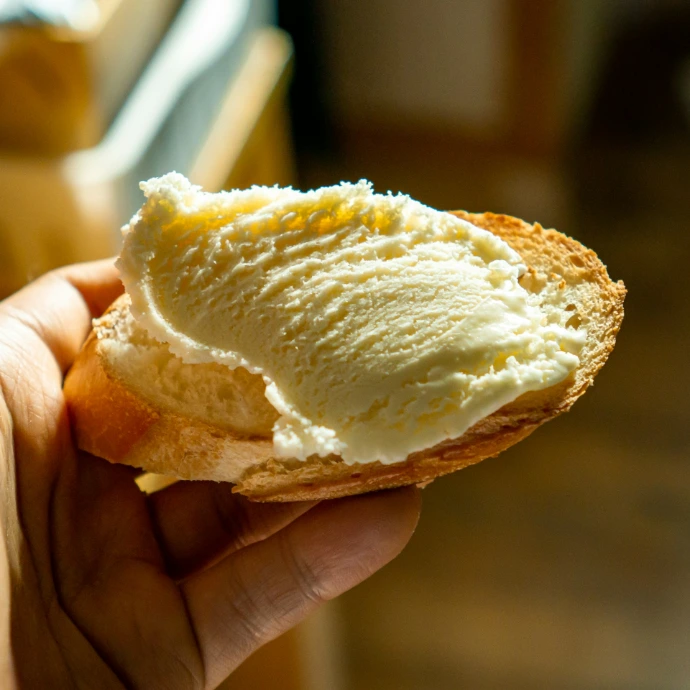
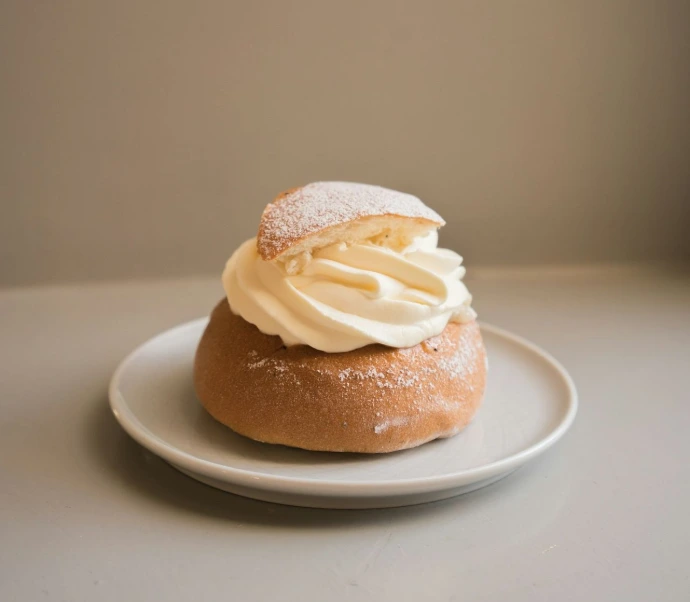
δ-Decalactone is what gives butter its butteriness and ripe peach its roundness, bringing warmth to cream, depth to caramel and the lush ripeness behind apricot and nectarine. A small dose changes a formulation noticeably, in food and in fragrance alike.
In your product
One note, two industries.
Flavour food & beverage
| In your product | What δ-decalactone does there |
|---|---|
| Butter & margarine | The note flavourists first reached for to make butter read as butter. Snaps a flat buttery base into focus. |
| Cream & yoghurt | Gives fresh, sour and clotted cream their depth and authenticity. Rounds dairy that tastes thin. |
| Caramel, toffee & dulce de leche | The condensed-milk warmth behind cooked-sugar notes. |
| Cheese | Used lightly, far below butter levels, to lift cheddar and blue character. |
| Stone fruit | The creamy lactonic ripeness behind peach, apricot and nectarine. |
Fragrance & personal care skin, air & home
| Where it goes | What δ-decalactone does there |
|---|---|
| Fine fragrance | Builds creamy, fruity accords and the creamy heart of gourmands. Softens white florals like gardenia and tuberose, rounds synthetic sandalwood. |
| Personal & body care | Warm, milky, fruity character in skin scents and body formats. Tenacious and substantive. |
| Home & fabric care | Long-lasting creamy, fruity warmth in detergents, softeners and household formats. |
Flavour character per Perfumer & Flavorist, "Flavor Bites: δ-Decalactone"; fragrance use per published perfumery material data. Dose depends on your formulation and finished-product basis, so we will work it through with you on samples.
At a glance
Reference data.
CAS
705-86-2
FEMA
2361
HS code
2932 20 90
IFRA
No restriction (51)
Natural — food
EU 1334/2008
Natural-origin — cosmetic
ISO 16128*
Character
creamy, buttery, peach
Status
In development
*Fermentation is an accepted natural process under ISO 16128. Cosmetic natural-origin status to be confirmed in documentation.
Get in touch
Peach and cream, without the tree.
δ-Decalactone is in development, and we are talking with food brands, flavour houses and fragrance houses who want this note on a supply chain they can stand behind. Tell us what you would need, whether it is for the plate or the bottle.
Register interestor write directly to info@biophelion.de