Mission
Most of what the world is built from, you never see.
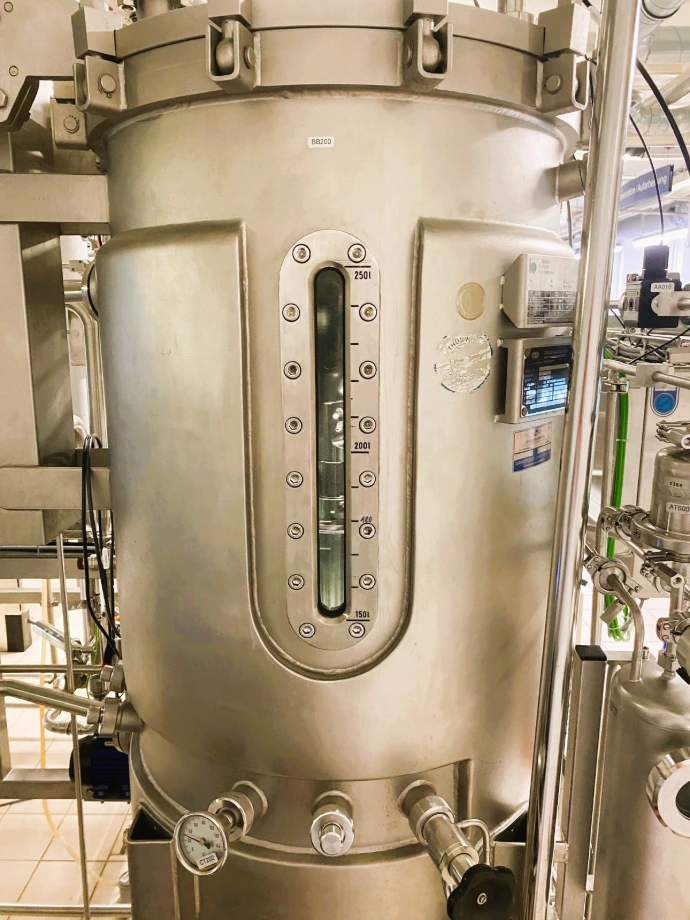
We grow specialty ingredients by fermentation, aroma molecules for food, and biosurfactants for the countless things that have to clean, mix or dissolve, without felling a forest or drilling for oil.
Hidden in almost everything
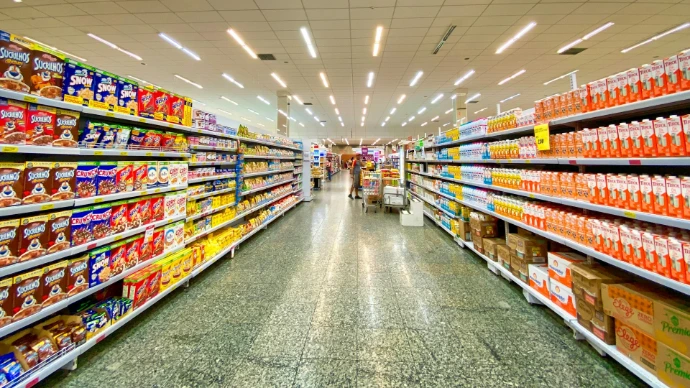
Think how much of ordinary life runs on a handful of ingredients no one ever sees. Surfactants alone are in your shampoo and your washing-up liquid, but also in the spray that protects a field of crops, the process that cleans waste water, the paint on the wall and the medicine in the cabinet. Add the flavours, fragrances, emulsifiers and preservatives in food and personal care, and you have a vast, unseen layer of chemistry that almost nobody ever reads on a label.
Everything runs on it
Nearly all of it traces back to one place. For a century, fossil carbon was the cheap and abundant answer to almost every question, and not only for fuel: it became the raw material beneath the plastics, the solvents, the surfactants, and the fine chemicals woven through all of those products. We built the whole system on it. Now we know what that system costs, and we are trying to change the one input that touches every sector at once. It is the hardest piece of infrastructure we have ever had to rebuild.
The alternatives bite back
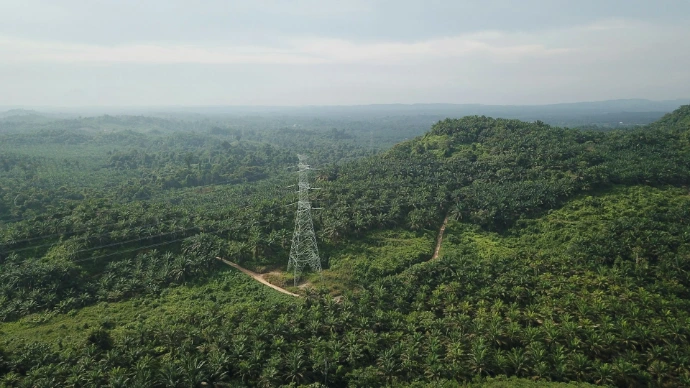
Moving off fossil carbon, though, has never automatically meant moving away from harm. Palm oil replaced petrochemicals across thousands of products and took the rainforest with it, and it now sits in roughly half the packaged goods on a shelf, mostly unnoticed. Elsewhere a plant is harvested toward the brink, or a crop is pushed onto land an ecosystem needed, all of it sold under the word natural. A tree felled for its bark is natural, and the label is allowed to say so. And where harvesting looks too costly, the shortcut is often a synthetic version dressed up as green, or a natural grade that quietly leans on the same harvested bark after all. It is the trap our own ingredients are built to avoid.
None of this means the work to change it is not happening. It is. We and others are building real alternatives, growing ingredients instead of extracting or synthesising them. It just does not look like environmental work, because the change is not a forest being replanted, it is waste going into a steel tank. That is the quieter, less glamorous side of the problem, and it matters every bit as much.
The cleanest carbon is the carbon already here.
So we start upstream. Our platform is built to grow on renewable side streams, the by-products and residues that local industry already produces and would otherwise burn or discard. Carbon kept in use instead of pulled fresh from a forest or a well. It is the least visible part of the work and, for the cost and the footprint both, one of the most important.

The hard part was never the science
The thing that surprised us most was where the difficulty actually sits. The biology works. The engineering works. You can take a renewable side stream and grow a clean, defined ingredient from it, at the quality the industry needs. What is hard is getting it to market, because the rules that decide how an ingredient reaches a shelf were written for a world of extraction and fossil chemistry, and they do not yet know what to make of a molecule that is chemically identical but grown instead of mined or synthesized. We do not want fewer safeguards, because safety has to be earned. We want the rules we built to protect ourselves to keep up with how things are now made, so that the cleaner route is not, simply because it arrived later, the hardest one to bring to the people who want it.
Doing our share
We have no illusions about our size. One company does not change a system this big, and on its own our part in it might barely register. But change does happen, slowly, one ingredient at a time, the moment a real alternative exists for someone to choose. That is the job we have taken on: to build that alternative and show that it stands up, grown rather than extracted or synthesized, made in Germany, and over time from side streams rather than virgin feedstock. We believe in the slow, unshowy version of this. Doing our share, and doing it honestly.