Massoia Lactone · FEMA 3744
Not everything natural
is good for nature.
Most natural Massoia Lactone is stripped from the bark of a threatened tree. Ours is grown by fermentation: the same coconut flavoured lactone, no tree felled.
Non-commercial samples now · Natural under EU Reg 1334/2008
Why bark-route Massoia Lactone is a supply risk
The bark route depends on a single threatened species.
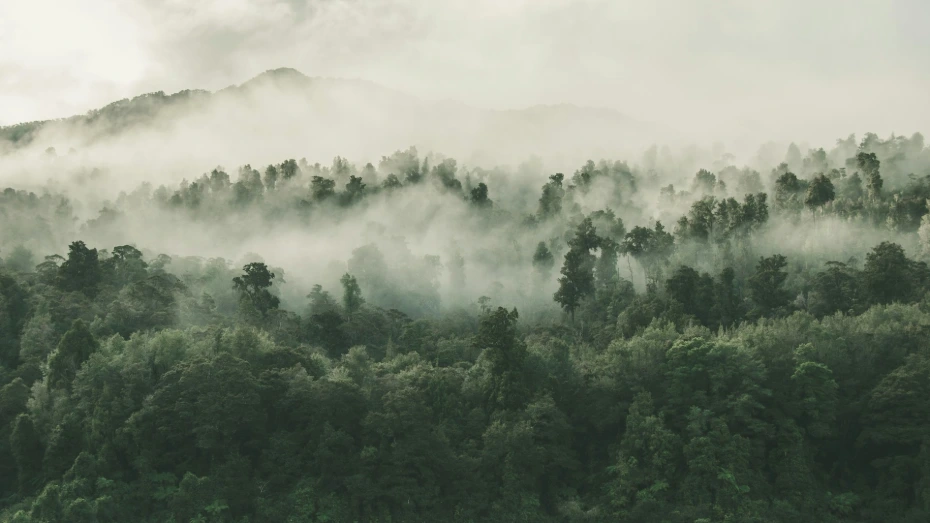
Today's marketed natural Massoia Lactone is bark-extracted from Cryptocarya massoy, a tree native to Papua. The constraints run through the whole chain, from the species itself to the way the bark is taken.
IUCN Red List
Near Threatened
The species is classified Near Threatened on the IUCN Red List.
Kuroh & Homot, 2019
Per kilogram of Massoia Lactone
3–7 trees
Bark stripping kills the tree. There is no non-destructive harvest method.
Geographic origin
Papua only
Single-origin wild harvest. No alternative regional source exists.
Plantation alternative
15–20 yr
One declared plantation, still pre-commercial. Trees need 15–20 years to reach harvestable bark diameter.
the biophelion route
The same molecule, grown rather than taken.
Biophelion grows Massoia Lactone by controlled fermentation from renewable feedstock, with defined inputs, and reproducible output. No bark, no felling, no co-extracted botanicals.
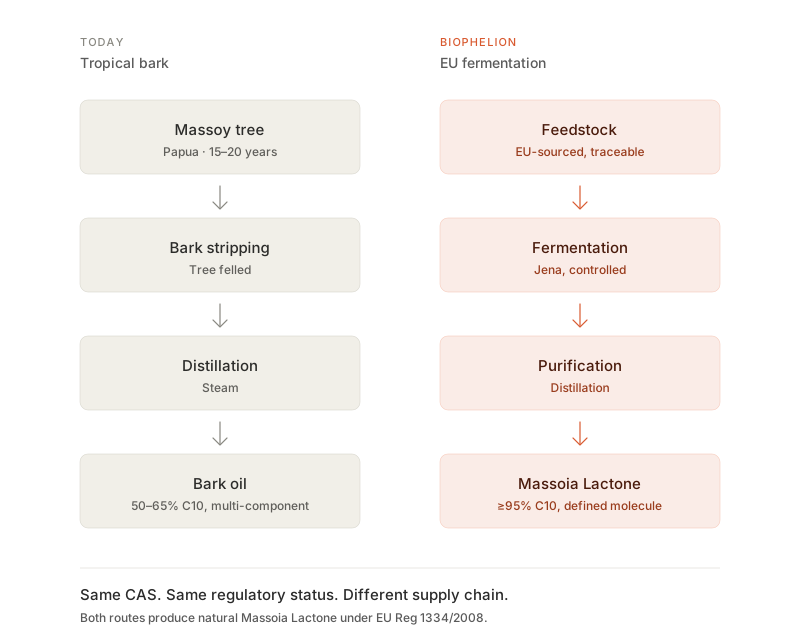
The compound itself is identical: the same CAS, the same regulatory status under EU Reg 1334/2008, the same flavour function. What changes is the supply chain behind it.
Composition
Identical CAS, a different composition.
Bark-route product is a multi-component botanical extract. Even fractionated to high concentration, it carries the C12 lactone, benzyl benzoate, and other co-extracted botanicals from its wild origin. Fermentation gives a single defined molecule, the same one in every batch.
Bark route
Multi-component botanical extract
Wild origin, variable, with co-extracted lactones, and benzyl benzoate.
Biophelion
Single defined molecule, ≥ 97% C10 Massoia Lactone
The same molecule in every batch, free of the botanical background.
Sensory profile
Massoia Lactone with a cleaner profile.
It leads with coconut and creamy over a buttery body, with sweet, fruity-peach, aldehydic, waxy, and nutty notes in support. The same defined molecule in every batch.
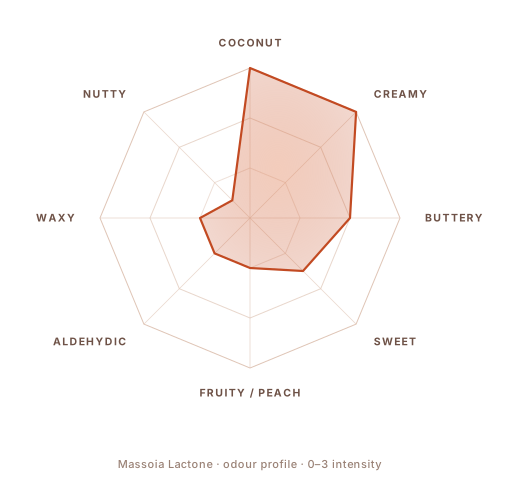
The full descriptive-panel comparison is shared on request.
Applications
Where it works.
Massoia Lactone brings coconut, creamy, and buttery character to clean-label formulations in development, across dairy and plant-based, beverages and confectionery. Starting doses and pairing guidance are tuned per matrix, and we support that work directly.
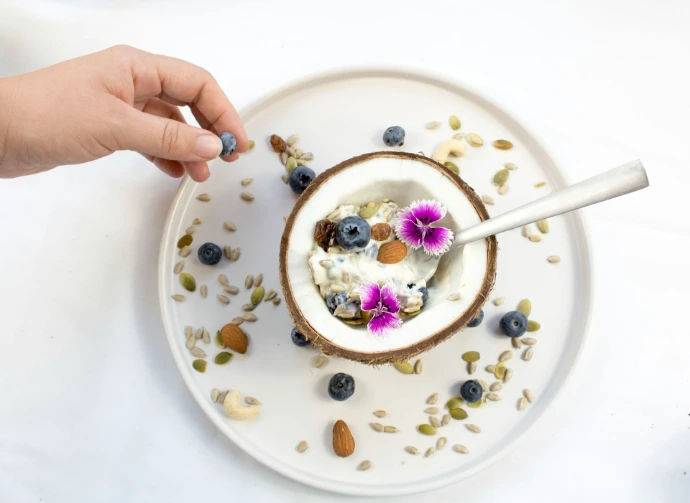
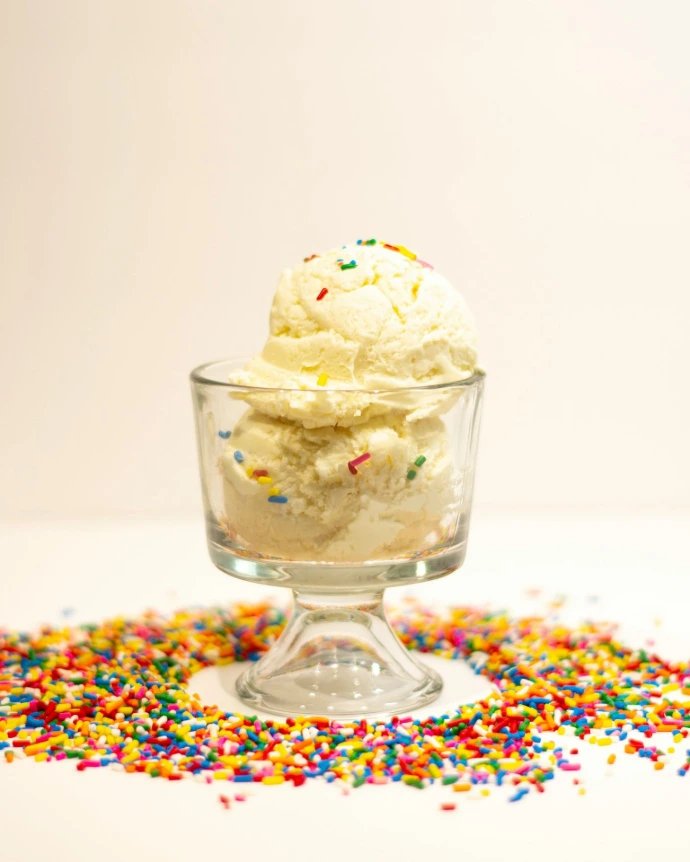
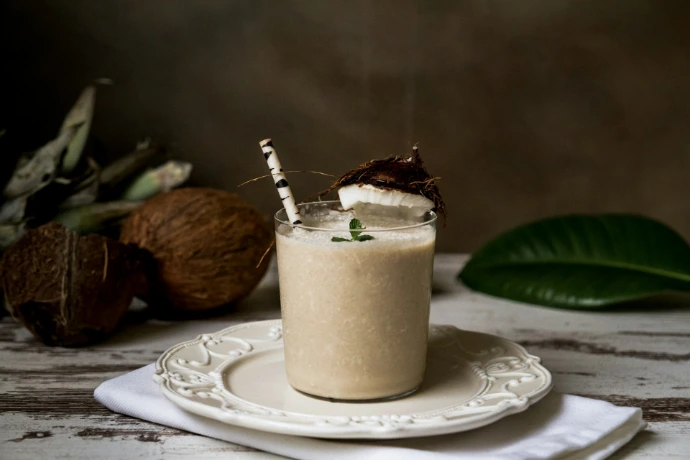
Plant-based & dairy drinks
Ice cream & frozen desserts
RTD tropical beverages
Coconut yogurt
Confectionery
Bakery fillings
Application and dosing support shared on request.
At a glance
Reference data.
CAS
54814-64-1
FEMA
3744
FLAVIS
10.037
EC
259-359-9
Purity
≥ 97% C10 Massoia Lactone
Natural status
EU 1334/2008
Character
Coconut, sweet, creamy
Origin
Made in Germany
Full technical data — CoA, TDS, SDS, allergen statement, physical and handling properties, and the EU 1334/2008 natural status declaration — shared on request.
Availability
Samples and availability.
Samples
Now
Non-commercial, for evaluation and panel work
First commercial
Q4 2026
First commercial purchase orders
Get in touch
Evaluate it on your own panel.
Non-commercial samples are available now. We share application support and the full sensory panel data under NDA, and the molecule is a good fit for clean-label formulations in development.
Request a sampleor write directly to info@biophelion.de